Description
Superior, automatic, clutter-free weather detection and analysis out to 320 nm.
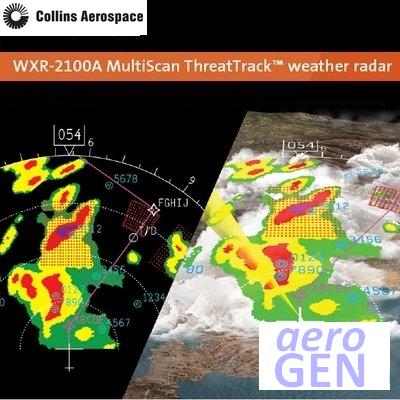
Collins Aerospace MultiScan ThreatTrack™ weather radar offers an innovative approach to detecting and analyzing weather phenomena and displaying adverse weather threats, enabling safer, smoother and more efficient flights.
Global flight tests of the system have validated the performance of the threat detection concept and ensure that the radar makes optimum adjustments to maximize the "probability of detecting" thunderstorms during all phases of flight.
Crews will benefit from additional innovative technologies that go beyond today's most advanced radar systems by adding predictive weather analysis and new threat detection features.
MultiScan ThreatTrack™ features
- Patented track-while-scan technology prioritizes weather threats out to 320 nm by performing dedicated horizontal and vertical scans on developed or fast-growing convective cells that pose an actual threat.
- Core threat assessment examines thunderstorm cells and increases the displayed colors to better represent the actual thunderstorm threat.
- Associated threat assessment infers lightning, hail and convective threat potential within and external to a thunderstorm core.
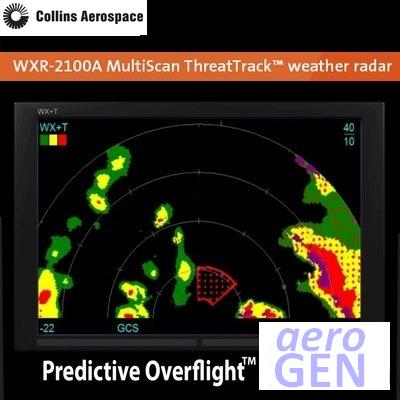
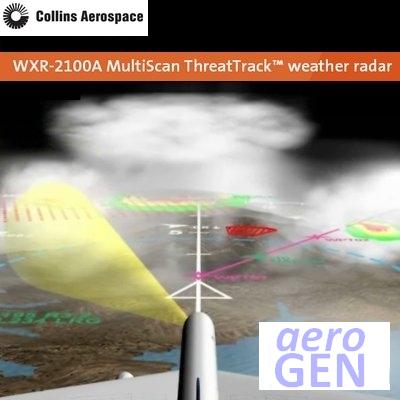
- Predictive OverFlight™ protection tracks thunderstorm cells ahead and below the aircraft, measures growth rate, predicts bow-wave turbulence and indicates potential threats in the aircraft's flight path.
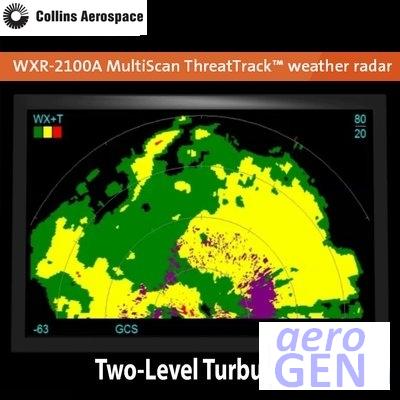
- Two-level enhanced turbulence detection detects severe and ride-quality turbulence up to 40 nm ahead of the aircraft.
- Predictive wind shear detection with wind shear event data recording and retrieval.
- Geographic weather correlation uses a database of geographic and seasonal weather variations that enhance MultiScan ThreatTrack's algorithms to provide accurate worldwide hazard information.
- Advanced ground clutter suppression eliminates ground clutter on the weather display at all ranges, allowing pilots to concentrate exclusively on true weather threats.
- Track-while-scan thunderstorm assessment out to 320 nm
- Core threat assessment increases display colors based on potential threat
- Associated threat assessment with inferred hail and lightning threats outside of the cell
- Predictive OverFlight protection tracks and alerts on rapidly building cells in the flight path
- Two-level enhanced turbulence detection - certified turbulence plus ride-quality turbulence displays
Additional features
- Fully automatic operation
- Advanced ground clutter suppression at all ranges
- Enhanced geographic and seasonal weather correlation for maximum worldwide performance
- Optimized weather detection from 0 to 320 nm and all altitudes
- OverFlight protection (prevents inadvertent thunderstorm top penetration)
- SmartScan™ real-time weather during turns
- TrueZero™ antenna compensation
- Variable, temperature-based gain
- Predictive wind shear detection with wind shear event data recording and retrieval
- Redesigned RF section for improved performance and enhanced reliability
- Demonstrated, industry-leading pedestal reliability
- Simultaneous display updates in all range/mode combinations
- Split function control on some platforms
- Optional manual mode can be used by crews at any time
Available Modes
- MultiScan ThreatTrack™ automatic operation
- Ground map
- Weather
- Weather plus turbulence
- Wind shear detection (takeoff and landing flight phases)
- Turbulence detection
- Manual operations - independent - mode, gain, tilt, range for each pilot
- Manual gain available in all modes
Overall System Specifications
- General ARINC 708, 708A, 429, 453, 600
- TSO C63c
- Interfaces TCAS, ACARS, EFIS, CMC/CFDS, radio altimeter, EGPWS, DAD C, IRS or ADIRU
- Environmental RTCA DO-160E
- Software RTCA DO-178B Level C
- Performance index (avoidance)
- X-Band 236 dB (580 nm range)
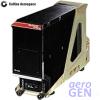
Receiver-transmitter
- Size Per ARINC 708A
- Weight 23.1 lbs max
- Input power 115 V ac plus/minus 10%, 400 plus/minus 20 Hz single phase
- Power dissipated 120 watts or less
Transmitter
- PRF 180 (up to 3,000) pp/s
- Pulse widths 1 to 25 microseconds
- Frequency (direct 9.33 GHz digital synthesis)
- Peak power 150 watts nom
Receiver
- Noise figure 3.8 dB
- Bandwidth 32 MHz
- Minimum discernible TBD signal
Antenna
- First side lobe -31 dB
- Stabilization type Full stabilization - all modes
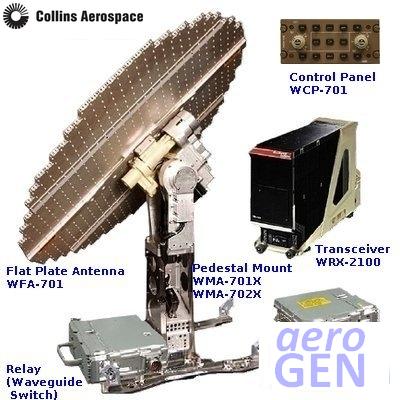
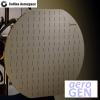
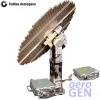
- Type Flat plate
- Beam width 10 degrees
- Gain 34.5 dB nom
Source Collins Aerospace document 147-0624-004 03/14 © 2014