






Related Products
This goes well with...

Features
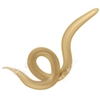
- light red color
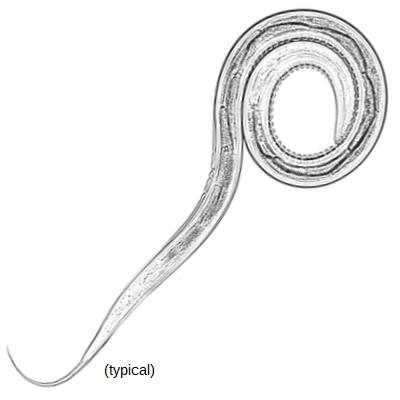
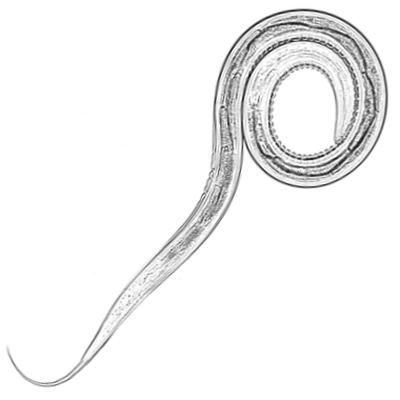
- coiled shape
- length; female 6-8 mm
- length; male 5.5-9 mm
- egg shape; parallel sides

Cooperia oncophora is one of the most common intestinal parasitic nematodes in Cattle in temperate regions.
This goes well with...
Cooperia oncophora is one of the most common intestinal parasitic nematodes in Cattle in temperate regions
Infections with Cooperia oncophora may result in
Infections are usually treated with broad-spectrum anthelmintics such as benzimidazole, but resistance to these drugs has developed in the last decades and is now very common
Cooperia oncophora has a direct life cycle. Infective larvae are ingested by the host. The larvae grow to adults, which reproduce in the small intestines. Eggs are shed onto the pasture with the faeces, which leads to new infections
Co-infections with other gastro-intestinal nematodes such as Osteragia ostertagi and Haemonchus contortus are common
Cooperia are considered less pathogenic to livestock than the common gastrointestinal nematode worms Haemonchus contortus or Osteragia ostertagi
However, the pathology caused by Cooperia coupled to its wide range of distribution has huge economic impact to Cattle producers
Typically calves are affected most adversely. Infection causes appetite reduction and inefficient uptake of necessary nutrients which effects body weight, reproduction and can lead eventually to calf death
Cooperia oncophora are light red in color and have a coiled shape
Eggs of Cooperia oncophora can be easily identified by their parallel walls.
| item |
|
||||||||||
| identity |
|
||||||||||
| marketing |
|
||||||||||
| prevalent bovine |
|
||||||||||
| prevalent ovine |
|
||||||||||
| climatic |
|
© 2022 Pristine | About Us | Contact Us | Terms


